

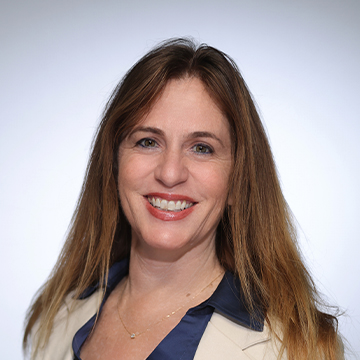
פרופ' תמי קציר


טלפון: 04-8249361
פנימי: (53361)
משרד: חדר 284, בניין חינוך ומדעים
שעות קבלה: בתיאום מראש
אודות
פרופ' תמי קציר היא ראשת מרכז אדמונד י. ספרא לחקר המוח בלקויות למידה ומרצה בכירה בפקולטה לחינוך, המחלקה ללקויות למידה באוניברסיטת חיפה.
לאחר סיום לימודי הדוקטורט בפסיכולוגיה התפתחותית של ילדים מאוניברסיטת טאפטס (2003), תמי כיהנה כחברת סגל בבית הספר לחינוך של אוניברסיטת הרווארד (2003-2008), כפרופסור לנוירולוגיה באוניברסיטת UCLA (2009-2012), וחוקרת בבית הספר של אקדמיית סטפן וייס בבל-אייר. בשנת 2007 זכתה בפרס המצוינות של אתי ודסטי מילר לסגל זוטר.
מחקרה עוסק בבסיס הקוגניטיבי והביולוגי של התפתחות קריאה ולקויות קריאה באוכלוסיות מגוונות, תוך בחינת תפקיד השטף בקריאה באורתוגראפיות שונות והקשר בין תהליכים לשוניים וחברתיים-רגשיים בהבנת הנקרא.
פרופ' קציר פרסמה כמאה מאמרים אקדמיים, ומשמשת כחברת מערכת בכתבי עת אקדמיים מובילים. כמו כן, היא עומדת בראש הוועדה הארצית של מומחים לאוריינות במשרד החינוך.
בשנים האחרונות, יחד עם עמיתיה, היא פיתחה שתי תוכניות התערבות רב-רכיביות חדשניות המתמקדות במיומנויות לשוניות, חברתיות וקוגניטיביות בסיסיות התורמות להתפתחות הקריאה של ילדים.
תחומי מחקר
- הבנת נקרא
- קוגניציה ורגש
- תהליכים מטאקוגניטיביים בקריאה
- תפיסות עצמיות
- תצוגה ויזואלית וקריאה
פרסומים
Tal, D., Dotan, S., Ben-Yair, M., Katzir, T., & Rubinsten, O. (2025). Arithmetic and reading skills mediate the link between math and reading anxiety and word problem solving. Scientific Reports, 15(1), 36151
Dotan, S., & Katzir, T. (2025). Effects of Increased Letter Spacing on Digital Text Reading Comprehension, Calibration, and Preferences in Young Readers. Education Sciences, 15(10), 1306
Lipka, O., Bufman, A., Shaul, S., & Katzir, T. (2025). Transforming teacher knowledge to practice: Exploring the impact of a professional development model on teachers’ literacy instruction and self-efficacy. Education Sciences, 15(9), 1230
Yinon, R., Tal, D., Shaul, S., Kanat-Maymon, Y., & Katzir, T. (2025). Early Predictors of Hebrew Reading Development: A Multicomponent Model from Kindergarten Through First and Fourth Grades. Scientific Studies of Reading, 1-20
Benita, M., Hamish, D., Katzir, T., & Lipka, O. (2025). Examination of the Relationship Between Teachers’ Emotional Exhaustion and Students’ Reading Comprehension and Achievement Emotions. Scientific Studies of Reading, 29(2), 161-180.
Sabag-Shushan, T., Katzir, T., & Kanat-Maymon, Y. (2024). The contribution of emotion vocabulary to the reading comprehension of the text and the task. Reading and Writing, 1-24
Temelman-Yogev, L., Prior, A., & Katzir, T. (2024). Comprehension monitoring across languages–The effect of online feedback. Learning and Instruction, 92, 101928
Sadan, M., Lipka, O., & Katzir, T. (2024). Students’ emotional experiences and learning outcomes during digital vocabulary instruction: comparing struggling and typical third grade readers. Computer Assisted Language Learning, 1-30.
Dotan, S., & Katzir, T. (2024). The effect of modality on reading comprehension of struggling and typical readers in the second and third grades. Journal of Research in Reading. pp 1–17
Segal, A., Dotan, S., & Katzir, T. (2023). Development over time of the reading self-concept in fourth-and fifth-grade students. Current Psychology, 42(32), 28611-28622
Sabag-Shushan, T., & Katzir, T. (2023). Emotional understanding in reading comprehension at the text, task, and reader levels: a comparison of diverse struggling readers. Reading and Writing, 1-25
Sabag-Shushan, T., Katzir, T., & Prior, A. (2023). Assessment of emotion word vocabulary and its contribution to reading comprehension. Applied Psycholinguistics, 44(1), 29-50.
Fuchs, S., Katzir, T., & Kahn-Horwitz, J. (2023). EFL literacy instruction as reflected in elementary school textbooks in Israel. Reading and Writing, 36(1), 29-49.
Katzir, T. (2022). The feeling of reading in a changing world: From neurons to narratives. In Education: A global compact for a time of crisis (pp. 301-312). Columbia University Press
Nathaniel, U., Weiss, Y., Barouch, B., Katzir, T., & Bitan, T. (2022). Start shallow and grow deep: The development of a Hebrew reading brain. Neuropsychologia, 176, 108376
Kleider-Tesler, E., Barzillai, M., & Katzir, T. (2022). Confidence and Calibration of Comprehension in Adolescence: Are They Domain-General or Domain-Specific?. Psychology, 13(12), 1727-1747.
Barouch, B., Weiss, Y., Katzir, T., & Bitan, T. (2022). Neural processing of morphology during reading in children. Neuroscience, 485, 37-52
Primor, L., Yeari, M., & Katzir, T. (2021). Choosing the right question: The effect of different question types on multiple text integration. Reading and Writing, 34(6), 1539-1567
Dotan, S., Katzir, T., Lipka, O., & Shaul, S. (2021). Elementary school literacy teachers’ perceptions and challenges during COVID-19. Academia Letters, 898, 1-7.
Fuchs, S., Katzir, T., & Kahn-Horwitz, J. (2021). EFL literacy teaching in relation to teachers' self-efficacy, experience and native language. Australian Journal of Teacher Education (Online), 46(1), 89-105
Temelman-Yogev, L., Katzir, T., & Prior, A. (2020). Monitoring comprehension in a foreign language: Trait or skill? Metacognition and Learning, 15 (3), 343-365
Bitan, T., Weiss, Y., Katzir, T., & Truzman, T. (2020). Morphological decomposition compensates for imperfections in phonological decoding. Neural evidence from typical and dyslexic readers of an opaque orthography. Cortex, 130, 172-191
Viterbo, G., Katzir, T., & Goldfarb, L. (2020). Accelerating reading via local priming. Acta Psychologica, 205, 103056
Prior, A., Zeltsman‐Kulick, R., & Katzir, T. (2020). Adolescent word reading in English as a foreign language. Journal of Research in Reading, 43(1), 116-139
השכלה
| Degree | Name of Institution and Department | Period of Study |
| B.A. in History and Psychology | Tel-Aviv University,
Departments of History and Psychology |
1992-1996 |
|
Ph.D. in Applied Child Development Concentration: Language and Literacy. Direct Studies towards Doctoral Degree. |
Tufts University,
Eliot-Pearson Department of Child Development
|
1997-2002 |
רקע אקדמי
| Rank/Position | Name of Institution and Department | Years | |
|
Assistant Professor (tenure-track) (2004 first term review and renewal) |
Harvard Graduate School of Education | 2002-2006 | |
| Lecturer | University of Haifa, Faculty of Education | 2006 | |
|
Senior Lecturer (tenured since 2010) |
University of Haifa, Faculty of Education | 2008 | |
| Visiting Associate Professor of Neurology | UCLA, David Geffen School of Medicine | 2009-2012 | |
| Researcher in Residence | Private Jewish School Stephan S. Wise Academy | 2010-2012 | |
| Associate Professor | University of Haifa
Faculty of Education |
2014-present | |
מדיה
Gam Ken Tarbut(Radio Interview): The love of reading and the difference between reading printed and digital books
Annenberg Learner: Brooke's story
"Haaretz" Newspaper: First grade has moved to zoom, and experts are calling for postponing reading studies
The medialine- Trusted Mideast News: Arab World Encourages Children to Read as Pandemic Impacts Skills
Science Trends:Mind The Gap: The Role Of Spacing Letters In Early Reading
Harvard Science: Slow reading in dyslexia tied to disorganized brain tracts
Science Daily: Decreasing font size enhances reading comprehension among children who have already developed proficient reading skills
"Mabat Sheni" Israeli Channel 1 investigative program: Half a Brain
פרסים
2002 Tufts University, Award of Excellence for doctoral studies
2007 The Etti and Dusty Miller Scholarship for Young Outstanding Scientists,University of Haifa ($10,000)